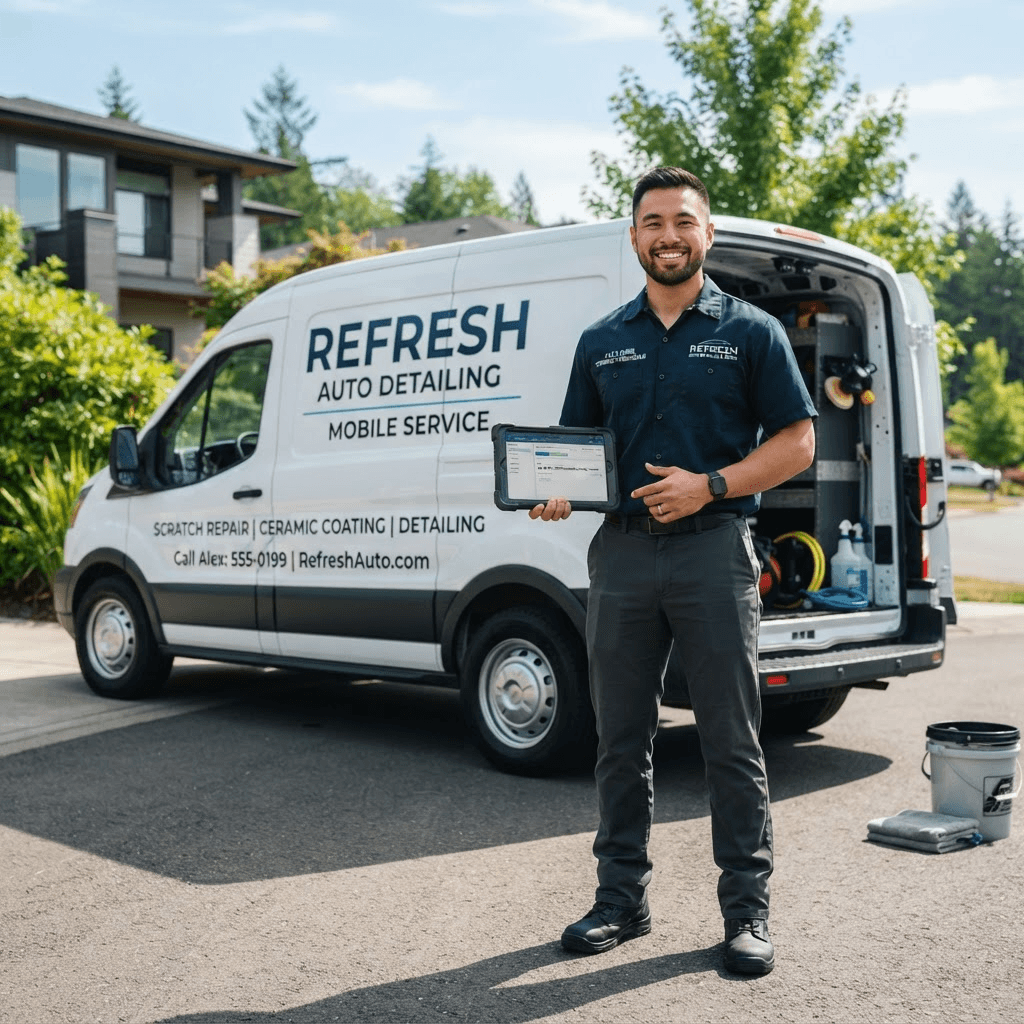
Yes, a skilled trade can become the foundation for a business, but the skill is only part of it. Running a service business also requires pricing, estimating, customer service, sales, marketing, scheduling, and financial discipline. A strong technical skill gives you something to sell; business fundamentals turn it into a business.
A technical skill does not automatically create a successful business, and no program can promise income or business success. What training can do is help you build the skill and the business fundamentals that give you a fair chance to try.
What running a service business involves
Beyond doing the technical work well, building a service business usually means developing skills like these:
Technical Proficiency
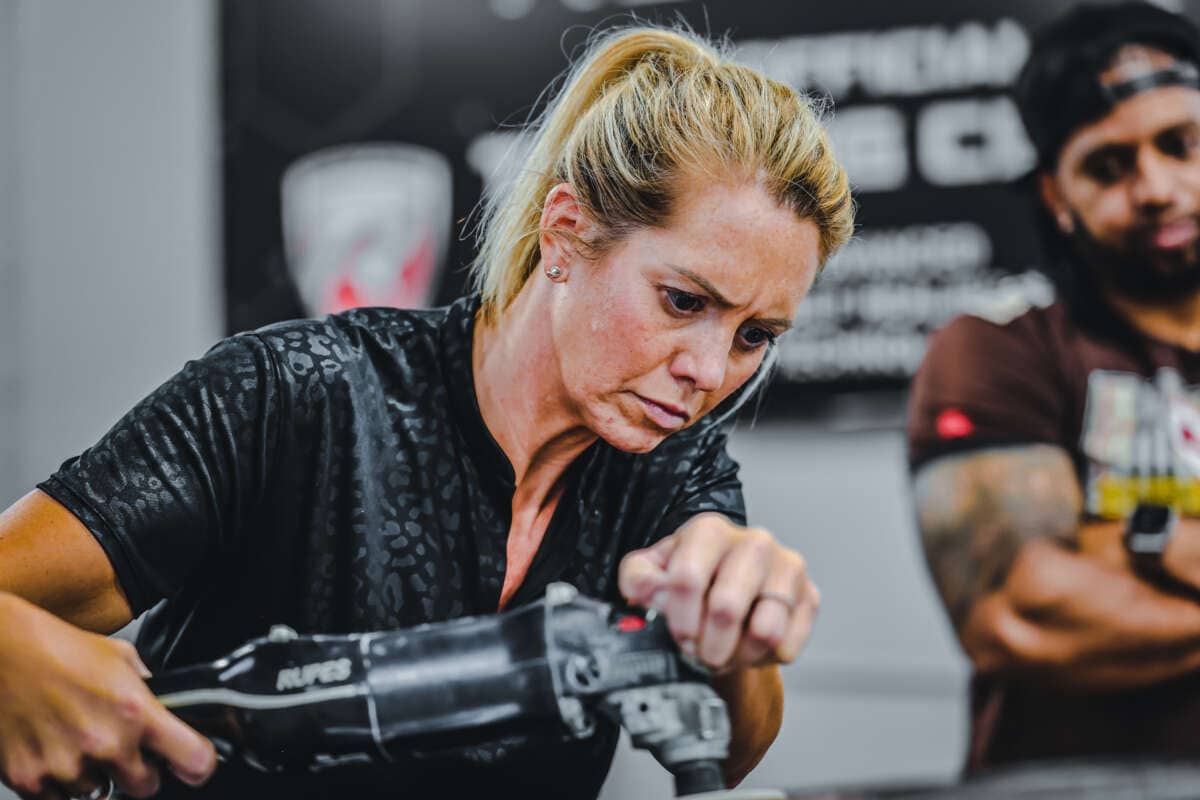
Doing quality work consistently is the foundation everything else rests on.
Pricing
Setting prices that are fair and sustainable for your business.
Estimating
Assessing a job accurately before you quote it.
Customer Service
Communicating clearly and treating customers well.
Sales
Explaining your service and earning the customer’s trust.
Marketing
Helping the right customers find you.
Branding
Presenting your business in a professional, consistent way.
Scheduling
Managing your time and workload day to day.
Financial Discipline
Tracking money in and out so the business stays healthy.
Reputation ties all of this together. Repeat customers and referrals come from doing good work, communicating well, and being reliable over time.
How training can help
The Graduates to Greatness program pairs technical training with business fundamentals, so students can learn not only how to do the work but how the work is priced, marketed, and sold. That combination is what gives a skill the potential to become a business.
Frequently Asked Questions
Yes. A specialized, in-demand skill can be the foundation for a service business. Success also depends on business fundamentals like pricing, customer service, marketing, and financial discipline.
No. A technical skill gives you something to sell, but running a business also requires estimating, pricing, sales, marketing, scheduling, and financial management. Both matter.
The program pairs hands-on technical training with business development and marketing fundamentals so students can learn how the work is priced, marketed, and sold. It does not promise income or business success.