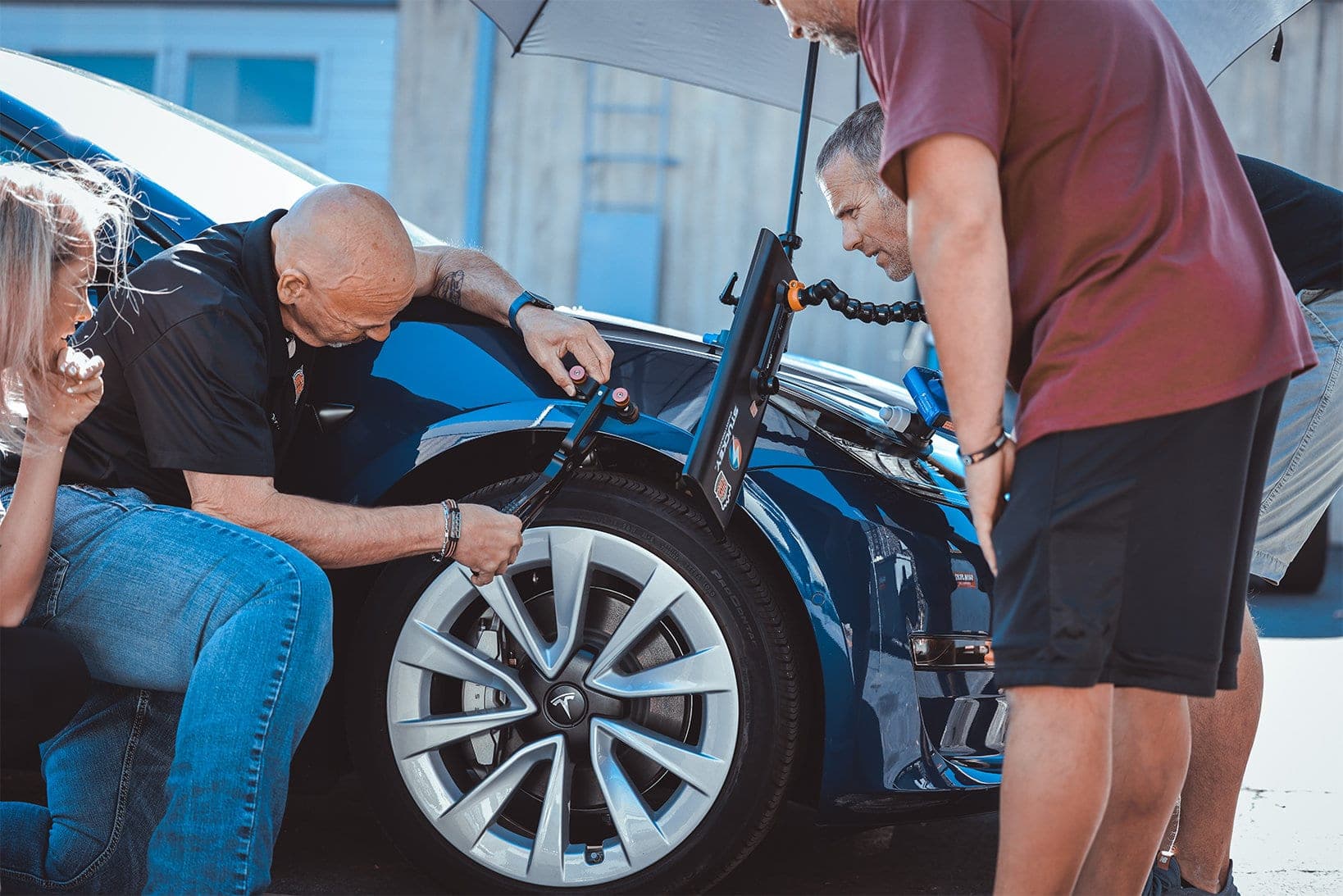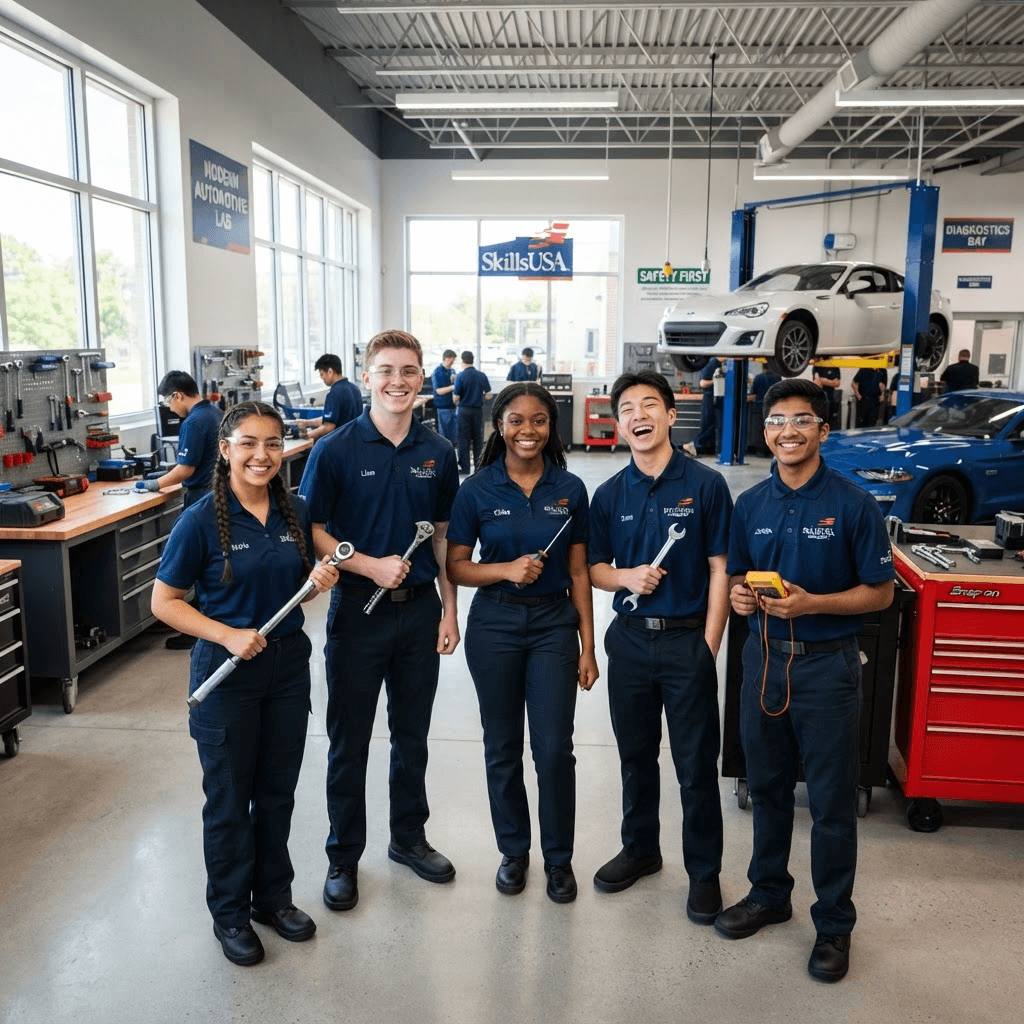
Hands-on careers are jobs centered on physical, practical work rather than desk work. They include the skilled trades such as automotive work, construction, welding, HVAC, and electrical work. These careers reward people who like tangible results, problem solving, and building expertise through practice.
What hands-on careers have in common
- You work with tools, materials, or equipment.
- You can see the results of your work.
- You solve practical problems as they come up.
- You build skill through repetition and experience.
- Many do not require a four-year degree.
Traits that fit hands-on work
People who thrive in hands-on careers often prefer doing over discussing, like seeing a finished result, and enjoy getting better at a specific craft over time. If that sounds like you, a skilled trade is worth exploring.
Automotive reconditioning as an example
Automotive reconditioning is a hands-on trade focused on restoring a vehicle’s appearance. It includes skills like paintless dent repair, paint chip repair, detailing, and wheel repair, all of which produce visible, satisfying results.
Frequently Asked Questions
Skilled trades such as automotive work, construction, welding, HVAC, and electrical work are all hands-on careers. They reward practical problem solving and building expertise through practice.
Many hands-on trades do not require a four-year degree. They are typically learned through hands-on training, apprenticeships, and practice.